
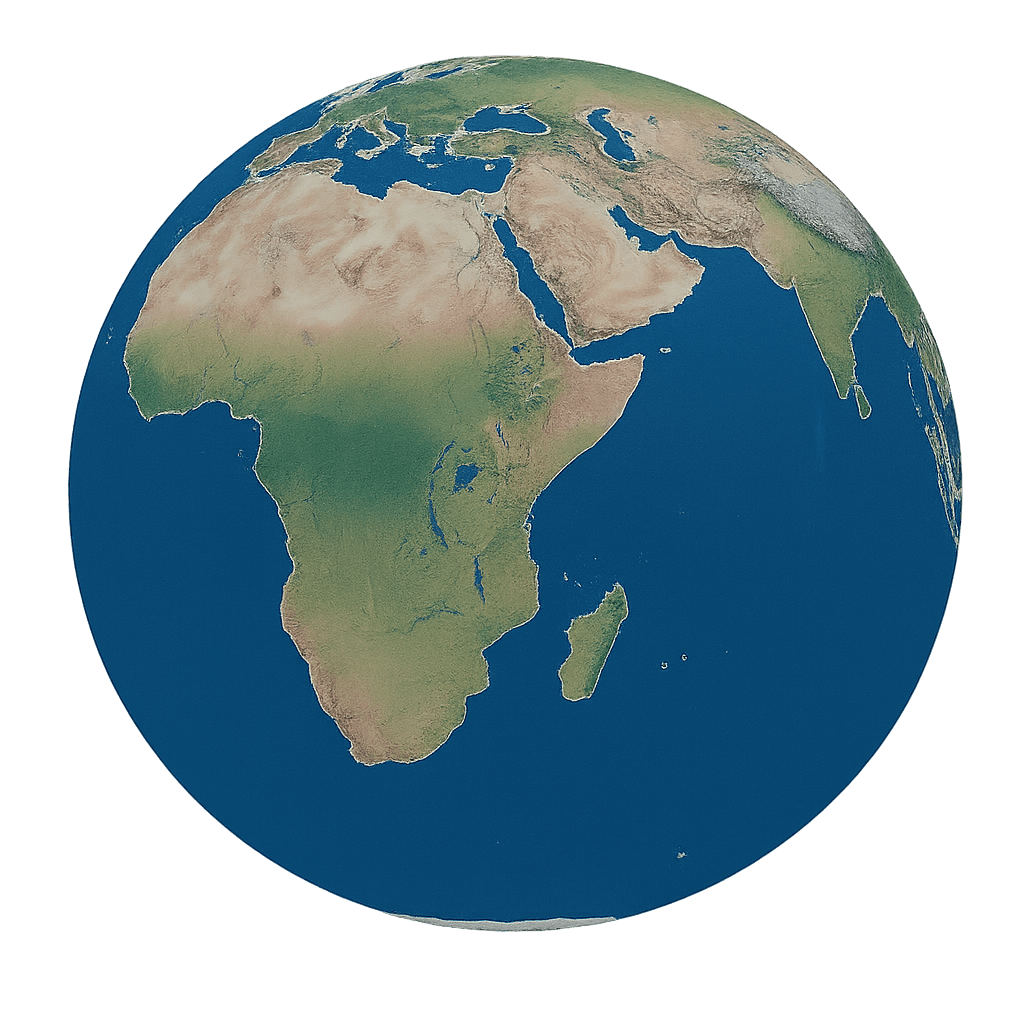
Climate Law Push: A first-of-its-kind “ecocide” model law is gaining momentum in Latin America, aiming to criminally target severe environmental destruction and hold senior decision-makers personally liable. Pacific Climate Urgency: Pacific leaders are in Fiji and Tuvalu ahead of COP31, urging the world to keep 1.5°C within reach as sea-level rise already makes land uninhabitable. On-the-Ground Damage in Tuvalu: A pre-COP visit highlights how a 2024 marine heatwave wiped out about 99.9% of Tuvalu’s coral—“skeleton after skeleton”—with rising seas threatening the whole archipelago. Samoa Climate & Nature Actions: Samoa’s conservation work continues with restoration at O Le Pupu Pue National Park, including native tree planting and community ranger recruitment to manage threats like invasive weeds and cyclones. Samoa Wildlife Research: National Geographic Pristine Seas camera surveys off Apolima Island captured the endangered leopard (zebra) shark on Samoan waters for the first time. Samoa EV Infrastructure: SPREP reports Samoa is developing a user-pay system for MNRE solar EV charging stations to support cost recovery and future expansion. Food Security Research: Fiji taro trials found big drought-response differences across varieties, including Tausala ni Samoa and Matadrala showing the largest biomass losses under water stress. Regional Ocean Governance: Pacific nations at fisheries talks in Rome pushed for stronger international support that builds on regional solutions to tackle illegal fishing and support youth and women in fisheries.
AGP Executive Report
Your go-to archive of top headlines, summarized for quick and easy reading.
Note: AI summary from news headlines; neutral sources weighted more to help reduce bias in the result. Feedback is welcome. Please let us know if you have any comments or suggestions about the AGP Executive Report.
Climate Diplomacy: Pacific leaders meeting in Fiji and Tuvalu ahead of COP31 are urging governments to keep global warming as close as possible to 1.5°C, warning there are “no safe futures” above that line because even small temperature rises lock in sea-level rise, higher adaptation costs, and escalating risks for atoll nations. On-the-Ground Climate Impacts: A pre-COP visit to Tuvalu is set to spotlight devastation already underway: scientists say a 2024 marine heatwave wiped out about 99.9% of the coral that built the islands, with rising seas already swamping atolls and fears of unlivable conditions by century’s end. Samoa Conservation & Wildlife: Researchers using baited underwater cameras off Apolima Island captured the first verifiable record of an endangered leopard shark in Samoan waters, showing how simple camera deployments can reveal rare species. Community Restoration in Samoa: A Samoa conservation project is restoring degraded forest in O Le Pupu Pue National Park, with early milestones including 3,000 native trees planted and community rangers trained to manage threats like invasive weeds. Clean Transport Costs: Samoa’s MNRE is developing a user-pay system for EV charging at its solar station, aiming for sustainable cost recovery and long-term expansion.
Tuvalu Climate Reality Check: Ahead of COP31, scientists say a 2024 marine heatwave killed about 99.9% of the coral that built Tuvalu’s atolls—“skeleton after skeleton”—with rising seas already swamping parts of the islands. Samoa Biodiversity in Focus: National Geographic Pristine Seas camera surveys off Apolima Island captured the first verifiable leopard shark record in Samoan waters, showing how underwater cameras can quickly expand knowledge of rare wildlife. Samoa Forest Restoration: The Kiwa Initiative and partners are restoring degraded areas at O Le Pupu Pue National Park on Upolu, planting native trees and building community ranger capacity to manage threats like invasive weeds and cyclone impacts. EV Charging Costs: Samoa’s MNRE is developing a user-pay system for solar EV charging at Friendship Park to recover costs and support long-term expansion. Water Security at Home: ADRA Samoa is training women and girls in basic home plumbing and water harvesting, while families report rainwater tanks as a lifesaver during outages. Pacific Climate Push: Pacific leaders at UNGA are calling for faster, fairer climate action and better support for adaptation and ocean governance.
Climate Reality Check (Tuvalu): Ahead of COP31, leaders visiting Tuvalu will see how a 2024 marine heatwave wiped out about 99.9% of coral on remote atolls, with sea-level rise already swamping parts of the archipelago. Biodiversity in Samoa (Shark footage): Off Apolima Island, camera surveys captured the first verifiable record of an endangered leopard shark in Samoan waters, showing how quick ocean camera drops can reveal rare wildlife. Restoration on Upolu (Native forests): Samoa Conservation Society work at O Le Pupu Pue National Park is restoring degraded forest and building community ranger capacity, including planting 3,000 native trees and tackling invasive threats. EV charging (MNRE user-pay): Samoa’s EV charging stations could move to a user-pay system to recover costs and support long-term expansion, with a proposed model still under development. Ocean & fisheries security (Operation Nasse): Australia joined Pacific partners, including Samoa, to deter illegal fishing across the region through coordinated maritime patrols. Climate finance push (Samoa at UNGA): Samoa called for an overhaul of the international financial system so climate-vulnerable states aren’t forced to borrow for both development and disaster recovery. Water resilience (Rainwater tanks): Families across Samoa are relying on rainwater tanks during outages, treating stored water as a practical lifeline.

Wildlife in Samoa: National Geographic Pristine Seas camera surveys off Apolima Island recorded an endangered leopard (zebra) shark for the first time in Samoan waters, adding to its known range and showing how underwater cameras can spot rare species quickly. Native forest restoration: Samoa Conservation Society’s Kiwa Initiative work at O Le Pupu Pue National Park is restoring degraded forest and building local ranger capacity, including early planting of 3,000 native trees and new community rangers across Upolu and Savai’i. Climate finance push: Samoa’s Deputy PM and Finance Minister urged UNGA reform of the international financial system, saying climate-vulnerable small states are forced to fund both development and disaster recovery. Water resilience at home: ADRA Samoa is training women and girls in practical home plumbing and sanitation, while families report rainwater tanks as a lifesaver during outages. EV charging costs: SPREP reports MNRE is developing a user-pay model for Samoa’s solar EV charging station at Friendship Park to support cost recovery and future expansion.
Wildlife in Samoa: National Geographic Pristine Seas camera surveys off Apolima Island captured the first verifiable record of an endangered leopard (zebra) shark in Samoan waters, showing how a single underwater camera deployment can reveal rare species. Restoring Samoa’s forests: Samoa Conservation Society work at O Le Pupu Pue National Park is rebuilding degraded forest through nature-based solutions, including early planting of 3,000 native trees and community ranger recruitment to manage threats like invasive weeds and cyclone impacts. EV charging policy: Samoa’s MNRE is considering a user-pay system for solar EV charging at Friendship Park (Apia) to recover costs and support long-term expansion, with a validation workshop held in September. Climate finance push: Samoa’s finance minister told the UN General Assembly that climate funding must be scaled up, easier to access, and tailored to vulnerable states—warning small islands are being forced to pay for both development and survival. Ocean & fisheries security: Australia joined Pacific partners in Operation Nasse to detect and deter illegal fishing, boosting maritime coordination across Samoa and other island states. COP31 focus: Pacific leaders meeting ahead of COP31 in Türkiye are urging the world to keep 1.5°C within reach, warning there are no safe futures above that threshold for atoll nations. Water resilience at home: Rainwater tanks are helping Samoan families cope during outages, providing a reliable backup for cooking, washing and cleaning when mains supply fails.
Samoa Biodiversity: Researchers using baited underwater cameras off Apolima Island captured the first verifiable record of an endangered leopard (zebra) shark in Samoan waters—an early reminder that simple field deployments can reveal rare wildlife and expand what we know about local marine life. Native Forest Restoration: Samoa’s conservation push is underway at O Le Pupu Pue National Park on Upolu, with community-led restoration that has already planted 3,000 native trees and trained new Community Rangers to manage threats like invasive weeds and cyclone impacts. Climate Finance Reform: Samoa’s finance minister told the UN General Assembly that climate funding must be scaled up, easier to access, and less burdensome—warning small island states are being forced to pay for both development and disaster recovery. Water Security at Home: With outages disrupting daily life, families across Samoa are relying on rainwater tanks as a practical backup for cooking, washing, and cleaning. Pacific Climate Push: Pacific leaders at UNGA again pressed for stronger global action to keep 1.5°C within reach, arguing the world’s biggest emitters must move faster. Gender & Water Decisions: New Pacific research highlights that women’s exclusion from water decision-making drives wider climate and water harms—calling for women’s voices in community and subnational planning.
Biodiversity & Wildlife: Researchers using baited underwater cameras off Apolima Island recorded an endangered leopard shark (zebra shark) in Samoan waters for the first time, adding a rare new sighting to the species’ known range. Native Forest Restoration: Samoa Conservation Society’s O Le Pupu Pue National Park project is restoring degraded forest through nature-based solutions, with early milestones including 3,000 native trees planted and community-led threat management via newly appointed Community Rangers. Climate Summit Push (1.5°C): Pacific leaders meeting ahead of COP31 in Turkey are urging countries to keep 1.5°C within reach, warning there are no “safe futures” above that threshold for atoll nations. Climate Finance Reform: Samoa’s finance minister told the UN General Assembly that climate funding must be scaled up, easier to access, and tailored to small island states—so countries aren’t forced to borrow for both development and survival. Water Resilience & Gender: ADRA Samoa is training women and girls in practical home plumbing and rainwater harvesting after earlier mixed sessions left women sidelined; meanwhile, Pacific advocates say women are too often excluded from water decisions. Ocean & Fisheries: At FAO’s COFI37, Pacific countries—including Samoa—called for stronger international support for ocean governance, youth-led fisheries businesses, and action against illegal fishing.
Climate Finance & UNGA Push: Samoa’s Deputy PM and Finance Minister Mulipola Anarosa Ale Molioo told the UN General Assembly that climate funding must be scaled up, easier to access, and free of burdensome conditions—warning small island states are being forced to pay for both development and survival as disasters intensify. Pacific Climate Messaging: Pacific leaders at UNGA pressed for faster climate action, calling out the injustice of those doing the least damage facing the worst impacts. Ocean & Fisheries Support: At FAO’s fisheries summit, Pacific countries including Samoa urged stronger international backing for regional ocean solutions—especially for youth and women moving into value-adding, processing and fisheries businesses. Water Security at Home: In Samoa, rainwater tanks are helping families during outages, acting as a crucial backup for cooking, washing and cleaning. Women in Water Decisions: Pacific advocates say women’s exclusion from decision-making drives wider gendered harms in climate and water insecurity, calling for women’s voices in community and subnational water planning. Local Skills for Water: ADRA Samoa is training women and girls in home plumbing and sanitation, after earlier mixed sessions left women without hands-on practice. Regional Collaboration: A virtual island summit highlighted practical climate and ocean responses—like circular economy training and community aquaponics—while stressing the need for stronger partnerships and finance.
UN Climate Push: Pacific leaders at UNGA in New York pressed for faster, fairer climate action, calling out the gap between small emitters’ warnings and big polluters’ inaction. Samoa Climate Finance Reform: Samoa’s Deputy PM Mulipola Anarosa Ale Molioo urged an overhaul of the international financial system so climate funding is scaled up, easier to access, and not diverted from essentials like health and water to disaster recovery. Ocean & Fisheries Summit: At FAO’s COFI37, Pacific countries—including Samoa—highlighted practical ocean solutions: youth and women moving into value-adding fisheries, tackling illegal fishing, and making new international ocean rules work with regional systems. Water Security at Home: In Samoa, rainwater tanks are helping families through outages, while women-only plumbing training is building hands-on skills to manage household water and sanitation. Gender Voice in Climate Decisions: Pacific advocates say women’s exclusion from water decision-making drives wider climate impacts, with research calling for women’s leadership before COP31. Pacific Media Accountability: Pacific media leaders adopted a Savusavu declaration demanding timely loss-and-damage information and stronger government accountability. Regional Resilience Funding: Pacific leaders met UN chief António Guterres to push the Pacific Resilience Facility toward its 2026 funding target.
Climate Finance Push: Samoa’s Deputy Prime Minister Mulipola Anarosa Ale Molioo told the UN General Assembly that climate funding must be scaled up, easier to access, and tailored for small island states—warning that resources meant for health, water and education are being diverted to disaster recovery, and that “no nation should have to borrow its way out of a crisis it did so little to create.” Pacific Climate Messaging at UNGA: Pacific leaders used UNGA to press for faster, fairer climate action, saying the world keeps hearing the warnings but still isn’t acting—highlighting the injustice of those least responsible facing the worst impacts. Ocean & Fisheries Support: At FAO’s COFI37 in Rome, Pacific countries—including Samoa—called for stronger international backing for ocean solutions already led in the region, from youth fisheries businesses to tackling illegal fishing and making new agreements work with local arrangements. Water Security Skills for Women: ADRA Samoa shifted training after feedback that women were intimidated in mixed sessions; in Lona, women and girls learned practical home plumbing and rainwater harvesting—skills to protect families during water disruptions. Media Accountability on Climate Loss: Pacific editors adopted the Savusavu Loss and Damage Media Forum Declaration, demanding timely, transparent access to loss-and-damage information and stronger support for journalists to hold decision-makers to account. UNGA Climate Justice Coalition: Nepal’s “Sagarmatha to the Sea” event—co-hosted with Samoa and others—linked mountain glacier melt to sea-level and coastal risks, arguing climate systems ignore political borders.
Climate Diplomacy at UNGA: Pacific leaders used the UN General Assembly to press for faster, fairer climate action, warning that small island states are left to absorb the worst impacts despite contributing little to emissions. Climate Finance Reform: Samoa’s finance minister told the UN that climate funding must be scaled up, easier to access, and free of burdensome conditions—because disaster recovery is increasingly draining money meant for health, water and education. Ocean & Fisheries Support: At FAO’s fisheries summit in Rome, Pacific countries including Samoa called for stronger international backing for ocean solutions—youth jobs, value-adding, tackling illegal fishing, and making new agreements work with regional systems. Water Security Skills: ADRA Samoa shifted training after women said mixed sessions left them sidelined; women and girls in Lona are now learning home plumbing and rainwater harvesting to manage household water and sanitation. Samoa Investment Snapshot: A U.S. State Department report says Samoa welcomes foreign investment, but infrastructure bottlenecks, land rules and labour shortages still constrain growth; priority areas include tourism, fisheries, renewable energy and agro-processing. Beach Access Fight (Global): A California case shows how vehicle access can threaten dune habitat and shorebird nesting—an issue that echoes across Pacific coastal conservation debates. Early White Sunday for Children: Malua Theological College students visited the Samoa Victim Support Group’s Campus of Hope with worship and donated essentials, continuing a long-running community partnership.
Coastal Access Clash: California’s Coastal Commission is weighing a permit to rebuild a storm-battered road at Centerville Beach only if drivers stop going onto the sand, citing damage to rare dune habitat and habitat for the threatened western snowy plover. Samoa Water Skills: ADRA Samoa shifted training so women and girls get hands-on plumbing practice; in Lona, 20 participants learned pipe, tap and toilet connections plus rainwater harvesting, sanitation and hygiene. Climate Finance Push: Samoa’s Deputy PM and Finance Minister Mulipola Anarosa Ale Molioo told the UN General Assembly that small islands are forced to fund both development and survival, calling for scaled-up, easier, less conditional climate finance and better debt rules. Women in Water Decisions: Pacific advocates say women’s exclusion from decision-making drives wider gender impacts on climate and water insecurity, urging stronger women’s voice before COP31. Pacific Media Accountability: Pacific media leaders adopted a Savusavu Loss and Damage Media Forum Declaration demanding timely, transparent access to climate loss and damage information and more government accountability. UN Climate Diplomacy: Samoa and other partners backed UN talks pushing climate action and ocean governance, while Nepal’s “Sagarmatha to the Sea” event linked mountain melt to sea-level risks across borders.
Climate Finance Push: Samoa’s Deputy PM and Finance Minister Mulipola Anarosa Ale Molioo told the UN General Assembly that climate funding must be scaled up, easier to access, and tailored for small island states—warning that disaster recovery is increasingly draining money meant for health, water, and education. Water Security at Home: With outages hitting families, rainwater tanks are helping households in Samoa store backup water for cooking, washing, and cleaning when mains supply fails. Gendered Climate Decisions: Pacific advocates say women are being left out of water decision-making, even though they hold key knowledge of household needs—fueling wider climate and water insecurity impacts. Pacific Media for Loss & Damage: Pacific editors adopted a Savusavu declaration calling for timely, transparent access to loss-and-damage information and stronger support for journalists to hold governments and agencies accountable. UN Multilateralism Under Strain: A week of UNGA speeches reflected growing frustration that the world body isn’t delivering—while island states and Africa renewed calls for fairer power and seats at the table.
Gender & Water Justice: Pacific advocates say women are being shut out of water decisions, driving wider climate and gender harms; a new WaterAid/UTS-ISF study finds exclusion from decision-making was the top urgent issue, with women’s water knowledge missing from community and subnational meetings. Climate Finance Pressure: Pacific leaders told UN chief António Guterres they need promises turned into action, pushing the Pacific Resilience Facility toward its US$500m target and warning that rising seas and disasters demand real funding. Loss & Damage Media Push: Pacific editors adopted the Savusavu Loss and Damage Media Forum Declaration, calling for timely, transparent access to loss-and-damage information and stronger support for journalists. Pacific Media Trust in the AI Era: Regional media leaders warned that AI-driven misinformation and weak media literacy are eroding public trust and democratic engagement across the Pacific. Samoa in UN Climate Diplomacy: Samoa’s Deputy Prime Minister Mulipola Anarosa Molio’o backed a fairer, easier-to-access climate finance system that doesn’t force small states to borrow their way out of crises. UK Returns to Pacific Community: The UK re-joined the Pacific Community, citing work on climate change and marine protection.
Pacific Climate Diplomacy at UNGA81: Pacific leaders met UN chief António Guterres in New York, pushing for climate finance that turns promises into action, with focus on the Pacific Resilience Facility and COP31 preparations, while also raising sea-level rise and ocean governance concerns. Loss and Damage Media Push: Pacific editors and newsroom leaders adopted the Savusavu Loss and Damage Media Forum Declaration, calling for timely, transparent access to loss-and-damage information and stronger support for Pacific journalists. Mountain-to-Sea Climate Coalition: Nepal used UNGA to spotlight climate risks from glaciers to coasts, co-hosting “Sagarmatha to the Sea” with Samoa and others after deadly Bhotekoshi floods, arguing nature links mountains, rivers and islands. Climate Justice and Financing Reform: Samoa and other Global South states demanded a reset of lending and climate-finance rules, warning small island states should not have to borrow to recover from disasters they didn’t cause. Fossil Fuel Transition Call: UN Secretary-General António Guterres urged every government to adopt national plans to phase out fossil fuels with clear timelines and protections for workers and communities. UK Returns to Pacific Community: The UK re-joined the Pacific Community, citing climate change and marine protection as priorities and noting existing ties through SPREP and dialogue with the Pacific Islands Forum. Ocean Protection Gap: A new study says only about 10% of the world’s oceans are designated for conservation and effective protection is far lower, urging stronger implementation beyond paper designations.
Pacific climate finance push at UNGA81: Pacific leaders met UN chief António Guterres in New York to press for climate finance that’s accessible and timely, flagging the COP31 build-up and the Pacific Resilience Facility, while reaffirming the “Blue Pacific as an Ocean of Peace” and raising sea-level rise, nuclear and security concerns. Samoa’s finance voice: Samoa’s Deputy Prime Minister Mulipola Anarosa Ale-Molioo backed a “fairer development financing” reset, arguing small island states shouldn’t have to borrow their way out of climate damage. Nepal-led “mountains to sea” climate coalition: Nepal hosted “Sagarmatha to the Sea,” linking glacier melt, rivers and coastal impacts, with Samoa among co-hosts—pushing the idea that climate risks ignore borders. Global South demands a financial reset: Developing countries, including Samoa, called for overhauling lending rules that keep vulnerable nations in debt after disasters they didn’t cause. UK returns to Pacific Community: The UK re-joined the Pacific Community, citing work on climate change, marine protection and resilience—already a member of SPREP and a PIF dialogue partner. Media for loss and damage: SPREP and Conservation International-backed Pacific editors adopted a Savusavu Loss and Damage Media Declaration, urging stronger coverage of climate, biodiversity loss and pollution. Ocean protection gap: A new study says only about 10% of the world’s oceans are designated for conservation and effective protection is far lower—highlighting the need for real safeguards, not just labels.
Climate Finance & Debt: At UNGA, Samoa’s Deputy Prime Minister Mulipola Anarosa Ale Molioo backed calls for climate funding that is bigger, easier to access, and not tied to heavy conditions—warning small island states shouldn’t have to “borrow our way out” of crises they didn’t cause. Mountains-to-Sea Climate Link: Nepal’s “Sagarmatha to the Sea” event at the UN brought together countries including Samoa to push an integrated response to shared climate risks from rivers and oceans to island communities. Fossil Fuel Phase-Out Push: UN chief António Guterres urged every government to adopt national plans to transition away from fossil fuels with clear timelines and support for affected workers and communities. Samoa’s Community Climate Action: Samoa CARES grants—$3.12 million via UNDP’s GEF Small Grants—are funding coral reef conservation, mangrove rehabilitation, solar lighting, and climate-smart livelihoods across 62 community organisations. Digital Resilience for the Pacific: Pacific leaders discussed safer, more affordable digital connectivity, including cyber-security and protecting sovereignty and Indigenous knowledge, with Samoa’s Deputy PM in attendance.
Climate Finance & UNGA Climate Push: Samoa’s Deputy Prime Minister Mulipola Anarosa Molio’o used UN General Assembly remarks to spotlight Samoa’s District Development Programme while pressing for climate funding that is accessible, responsive, and free from conditions. Himalayas-to-Oceans Climate Link: Nepal’s “Sagarmatha to the Sea” event in New York tied glacier melt and floods to island risks, arguing water and climate impacts ignore borders and need coordinated action. Pacific Climate Justice in the Courts: Fiji Attorney-General Siromi Turaga opened a regional writeshop for Pacific Island submissions to the ICJ on climate change, with 16 PICs including Samoa urging climate justice. Community Conservation Funding: Samoa CARES grants delivered via UNDP’s GEF Small Grants Programme will fund 62 community projects, including coral reef conservation, mangrove rehabilitation, solar lighting, and climate-smart agriculture. Media for Loss & Damage: SPREP and Conservation International-backed Pacific editors adopted the Savusavu Loss and Damage Media Declaration, calling for stronger Pacific storytelling on climate, biodiversity loss, and pollution. Regional Partnerships for Resilience: Samoa’s Deputy PM also attended UNGA-side discussions on digital connectivity priorities, while India’s FIPIC talks highlighted renewable energy, climate action, disaster resilience, and capacity building.
Climate diplomacy: Nepal convened a “Sagarmatha to the Sea” UN meeting linking glacier melt and rising seas, with Samoa and other island states pushing for one united climate response. Renewables & disaster resilience: India’s External Affairs Minister co-chaired FIPIC talks in New York with Samoa’s Deputy PM/Finance Minister, focusing on renewable energy, climate action, disaster resilience, healthcare and capacity building. PIF partnership boost: India was placed on the Pacific Islands Forum “Strategic Partner Stream,” with cooperation framed around people-centred development. Court action on fossil fuels: Fiji’s AG opened a regional writeshop for Pacific submissions to the ICJ climate advisory case, arguing for climate justice and urgent cooperation. Media for loss & damage: SPREP and Pacific editors adopted a Savusavu Loss and Damage media declaration, urging stronger reporting on climate, biodiversity loss and pollution. Local conservation funding: Samoa CARES granted $3.12m to 62 community groups for coral reef and mangrove work, solar lighting, and sustainable livelihoods. Ocean & digital connectivity: Pacific leaders discussed safer, affordable digital spaces and sovereignty, while media training in Savusavu focused on reaching remote communities.
Sign up for:
The Samoan Conservationist
The daily local news briefing you can trust. Every day. Subscribe now.
Check Your Email!
We sent a one-time activation link to: .
Confirm it's you by clicking the email link.
If the email is not in your inbox, check spam or try again.
Welcome back!
is already signed up. Check your inbox for updates.