AGP Executive Report
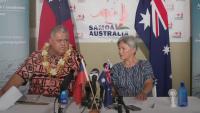
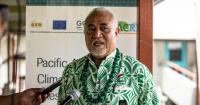
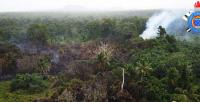
Last update: an hour agoClimate Finance: Samoa is assessing whether it is ready to use carbon markets to fund climate action before making any commitments. El Niño: The Prime Minister has urged communities to prepare for prolonged dry conditions, which are already damaging crops and putting pressure on water supplies. The government plans to deploy water trucks and provide household tanks. Island Restoration: On Nu’utele, removing invasive rats and pigs has helped native seedlings and food crops recover, with the island now being considered for a new population of the endangered mao bird. Waste Recovery: Samoa has opened a national centre to process plastic bottles and aluminium cans for export, linking cleaner communities with recycling markets.
Note: AI summary from news headlines; neutral sources weighted more to help reduce bias in the result. Feedback is welcome. Please let us know if you have any comments or suggestions about the AGP Executive Report.
 Perspectify News